
The Alphonso Season, Month by Month: A Konkan Orchard Calendar
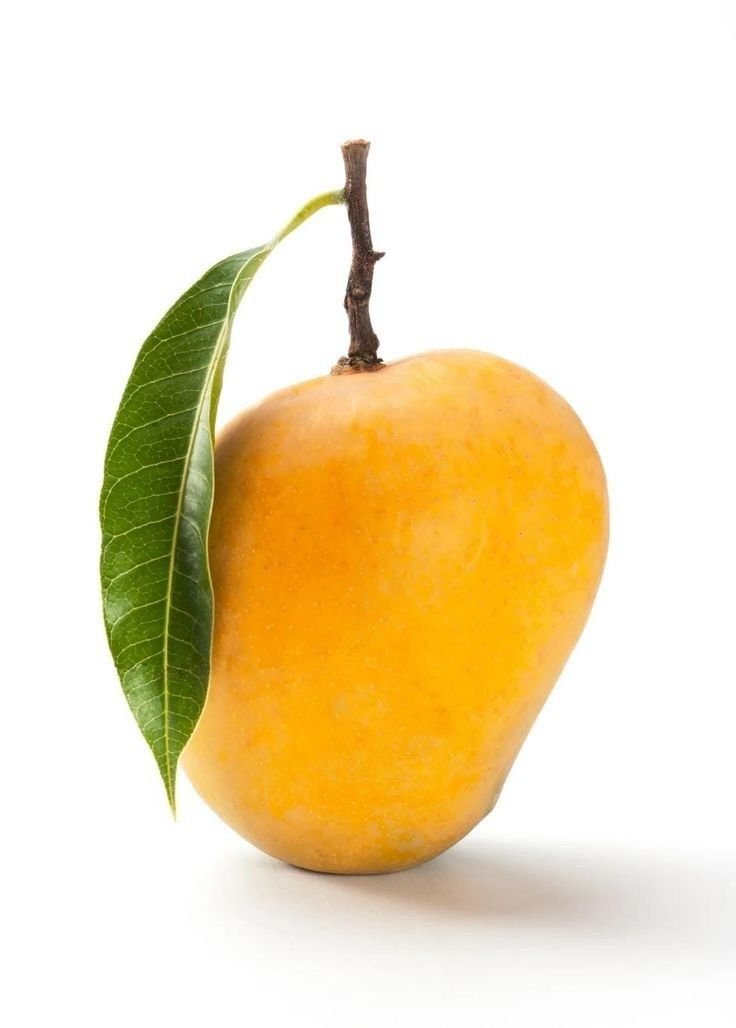
An Alphonso is not in season for six months — it is in season for about fourteen weeks, and within those weeks the fruit changes character every fortnight. Here is the year as we live it in our orchards, so you know exactly which weeks to buy for the table, which for aamras, and when nobody in Konkan honestly has fresh fruit to sell.
Most customers meet the Alphonso at the very last stage of a long story: a peti (the traditional crate of four to six dozen) arriving at their door in April. What they do not see is that the fruit inside was decided in November, threatened in January and rescued or lost in March. The Alphonso is a single-flush tree with a narrow window and a bad temper about weather — which is why its price behaves so strangely, and why the same trees give noticeably different fruit in February and in May.
The month ranges below are deliberately approximate. Konkan runs from Palghar down through Ratnagiri to Sindhudurg, and a week's difference in the winter cold shifts everything by a fortnight. Treat this as the orchard's normal rhythm, not a timetable.
October to November: mohor, the flowering
The year begins with mohor — the panicles of tiny cream-coloured blossom that cover a healthy Alphonso after the monsoon withdraws. Cold, clear nights through late October and November are what push the tree from making leaves to making flowers. If the monsoon withdraws late, or November stays warm and humid, the tree pushes out a flush of red-bronze leaves instead. That is the commonest way a season is lost, and it happens quietly, months before anyone notices thin supply in the market.
Trees also rarely flower all at once — an early mohor in late October and a second in December on the same tree is common. That is why the season comes in waves rather than one clean harvest.
Rain in November is the worst news a Konkan mango grower can get. Water sitting in the blossom invites fungal blight, the panicle blackens, and that branch will carry nothing for the year. There is no recovery — the tree has already spent its flowering energy.
December to January: fruit set, and the nervous months
Once pollination succeeds, the panicles set thousands of pinhead-sized fruitlets, of which a tree keeps only a small fraction. Natural shedding is normal and healthy. What is not normal is what the weather can do in these two months.
Three things worry us. Unseasonal rain or heavy dew drops the tiny fruit and brings powdery mildew onto the panicle. Thrips scar fruit barely a centimetre long, and that scar grows with the fruit into the rough grey-brown patches you see on an otherwise perfect mango. Mango hopper (tudtude) sucks sap from the panicle and coats it in honeydew, which then grows sooty mould; a bad build-up in a humid January wipes out fruit set faster than anything else.
Growers who got a second, later mohor often find it a blessing in these years — it is the insurance policy against a January that went wrong.
February: the first fruit, and why it costs the most
Roughly from mid-February, the very first small harvests come off the earliest trees — usually those on warm coastal slopes and older trees that flowered in October. This is the fruit that makes headlines and sells at prices that make people wince.
We will be honest about it: the earliest fruit is rarely the best fruit. It is genuinely Alphonso and genuinely scarce, and it commands its price because a handful of crates exist against enormous demand. But it is usually smaller, thinner in aroma, and the sugar has not had the long March-April heat behind it. February is a novelty purchase — the pleasure of the first Hapus of the year. If you are buying for taste per rupee, wait.
March: early season, when good fruit begins
By early-to-mid March the harvest widens. More trees come in, sizes even out, and the flavour deepens as daytime heat builds. March fruit picked at the proper mature-green stage finishes beautifully in the gawat — the dry hay in which we bed the fruit to ripen it slowly and evenly. Prices are still on the higher side, but they have come down noticeably from the February spike, and this is where a discerning buyer starts getting real satisfaction.
March is also when adulteration and mislabelling peak in city markets, because demand has exploded and genuine Ratnagiri supply has not caught up. If you are buying at this stage from someone new, it is worth knowing how to spot real Ratnagiri Alphonso before you pay a premium.
April: the peak, and the best fruit of the year
If we had to send one crate to someone who had never eaten an Alphonso, it would leave the orchard in April. This is the peak: widest supply, the best balance of sugar and acid, aroma at its fullest. The fruit has had enough heat for that saffron-orange, almost custard-textured flesh, without yet turning coarse the way late-season fruit does.
Prices in April are usually far below February's, and yet the eating quality is at its highest. That inversion is the single most useful thing in this article. Most buyers assume dearer means better; in Alphonso, the price curve tracks scarcity, not quality. April is when the two curves cross in your favour.
Buying for a wedding, a gift or a first-time Alphonso eater? Aim for a delivery window in April. Order a week or two ahead — peak weeks sell out, and fruit that has to travel needs to leave the orchard mature-green, not soft.
May: the late peak and the best value for pulp
May fruit is bigger. The trees have had a full run of heat, sizes climb, the flesh is generous. Aroma is a shade less delicate than April's and skins can be blotchier, but for aamras, pulp, kulfi or shrikhand, May is the smart month — more usable flesh per rupee than at any other point in the year, and once pulped and chilled the April-versus-May difference all but disappears.
Households across Maharashtra plan around exactly this: eat fresh in April, pulp and freeze in May. If you are stocking up, buy whole crates and ripen in batches so they do not all soften together — our guide on ripening Alphonso at home covers the slow gawat method.
Late May to June: the season closes
By the last week of May the crop is thinning fast and the pre-monsoon showers arrive. Rain on ripening fruit splits skins, invites spoilage and leaves the flesh watery. Once the monsoon sets in over Konkan in early June, harvesting stops. Late fruit is large but less aromatic, sometimes with soft spots, and prices fall sharply as everyone clears stock at once. Decent value for pulp — but buy from someone who will tell you plainly what stage the fruit is at.
July to September: the honest off-season
There is no fresh Konkan Alphonso in these months. None. The trees are through their monsoon growth, the orchard is being pruned and fed, and the whole cycle is turning back towards October's mohor. What legitimately exists in this window is processed: canned or aseptic pulp, frozen slices and pulp packed at the season's peak, ready-to-drink aamras, and dried or preserved products such as aamba poli (mango leather).
If a seller offers "fresh Alphonso" between July and September, they are selling something else: imported fruit under the Alphonso name, cold-stored fruit well past its best, or another variety of similar shape. Ask one question — "which orchard, and which harvest week?" — and the answer usually settles it. A real grower's stock at that time of year is pulp or nothing, and will say so.
The year at a glance
| Month (approx.) | In the orchard | For the buyer |
|---|---|---|
| October–November | Mohor (blossom) emerges; needs dry, cool nights | Nothing to buy; watch for news of rain — it predicts next year's supply |
| December | Fruit set begins; thrips and hopper pressure starts | Off-season; pulp and frozen products only |
| January | Fruitlets sizing; unseasonal rain and dew are the main threat | Off-season; a good time to book with a grower for early supply |
| February | First small harvests from earliest-flowering trees | Scarce and dear; novelty fruit, not the best eating |
| March | Harvest widens; sizes even out | Good fruit begins; prices ease from the February spike |
| April | Peak harvest across most orchards | Best aroma and sweetness at fair price — buy for eating fresh |
| May | Late peak; larger fruit, heavier flesh | Best value; buy in crates for aamras, pulp and freezing |
| Late May–June | Season closes; pre-monsoon showers, then monsoon onset | Cheap but variable; pulp only, and ask about fruit condition |
| July–September | Monsoon growth, pruning, orchard maintenance | No fresh fruit exists; pulp, frozen and dried products only |
Why prices fall as the season runs
Alphonso pricing is almost purely a supply story. In February, a few thousand crates chase the entire country's pent-up demand, so the rate is extraordinary. As March turns into April, thousands of orchards across Ratnagiri and Sindhudurg come into harvest simultaneously, supply multiplies, and the rate drops week on week even as quality is climbing. By late May the market is clearing stock ahead of the rain and the rate drops again, this time along with quality.
The practical rule: buy in April for taste, buy in May for volume, and treat February as a luxury. Grade matters too — the same tree yields crate-grade export fruit and smaller, cosmetically imperfect fruit that eats just as well for a good deal less, which we explain in how Konkan orchards harvest and grade.
How climate variability is shifting these windows
Growers of our parents' generation could set a calendar by the mohor. That certainty has weakened. Later monsoon withdrawal pushes flowering into December and the whole harvest with it. Warmer winter nights mean patchier flowering. Unseasonal rain in December through February has become more frequent, and Arabian Sea systems now occasionally graze the coast at exactly the wrong moment. The result is not a new calendar so much as wider error bars: the season moves a fortnight either side of normal far more often than it used to, and multiple flowering waves in one orchard are increasingly the rule.
For a buyer, this means one thing above all — do not fix a date, fix a stage. Rather than "I want mangoes on 5 April", ask your grower which week their peak harvest falls in this particular year and buy against that. Anyone with fruit on their own trees will know the answer to within a few days.
Frequently Asked Questions
When is the best month to buy Alphonso mangoes in India?
April, in most years. Supply is at its widest, prices have come well down from the February spike, and the fruit has the best balance of sweetness, acidity and aroma. May is the better choice if you are buying in bulk for aamras or pulp.
Why is February Alphonso so expensive if it is not the best?
Because price follows scarcity, not quality. Only a small number of early-flowering trees carry ripe fruit that early, and demand for the first Hapus of the year is enormous. The fruit is genuine but tends to be smaller and less aromatic than April's.
Can I get fresh Alphonso in August or September?
Not from Konkan. The trees are in monsoon growth and the next flowering has not even begun. Anything sold as "fresh Alphonso" in those months is imported fruit, long-stored fruit, or a different variety. Pulp, frozen slices and dried mango products are the honest off-season options.
How much does the season shift from year to year?
Commonly by about a fortnight in either direction, driven mainly by when the monsoon withdraws and how cold the November nights are. In difficult years the harvest can start three weeks late and finish abruptly with early rain, which is why we quote month ranges rather than dates.
Is late-season fruit in June worth buying?
For pulp, sometimes yes — it is large and cheap. For eating fresh, it is a gamble, as pre-monsoon rain leaves fruit watery and prone to soft spots. Buy only from a seller willing to describe the actual condition of that week's harvest.
Order Konkan Alphonso direct from the orchard
Hand-picked, naturally ripened in hay, and packed the day they leave the tree. Message us on WhatsApp for this season's availability and prices.